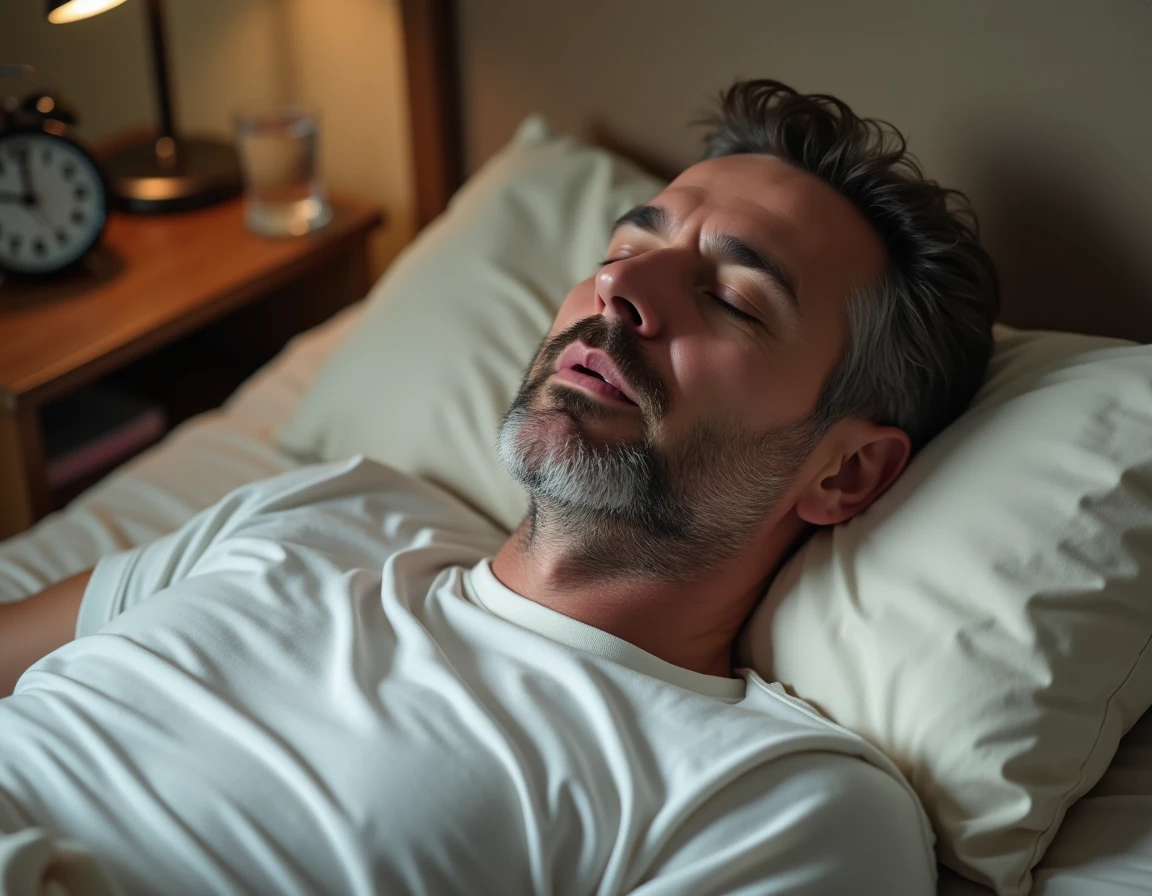
Ronchopathy affects a significant portion of the adult population, with a markedly higher prevalence in men than in women before menopause. Snoring is not just a noise nuisance for the bed partner: recent studies even associate simple snoring, without documented sleep apnea, with an increased risk of high blood pressure and metabolic disorders.
Measuring the true severity of this phenomenon requires distinguishing between benign noise, partial obstruction of the airways, and a cardiovascular warning signal.
Simple Snoring or Severe Ronchopathy: Comparative Data
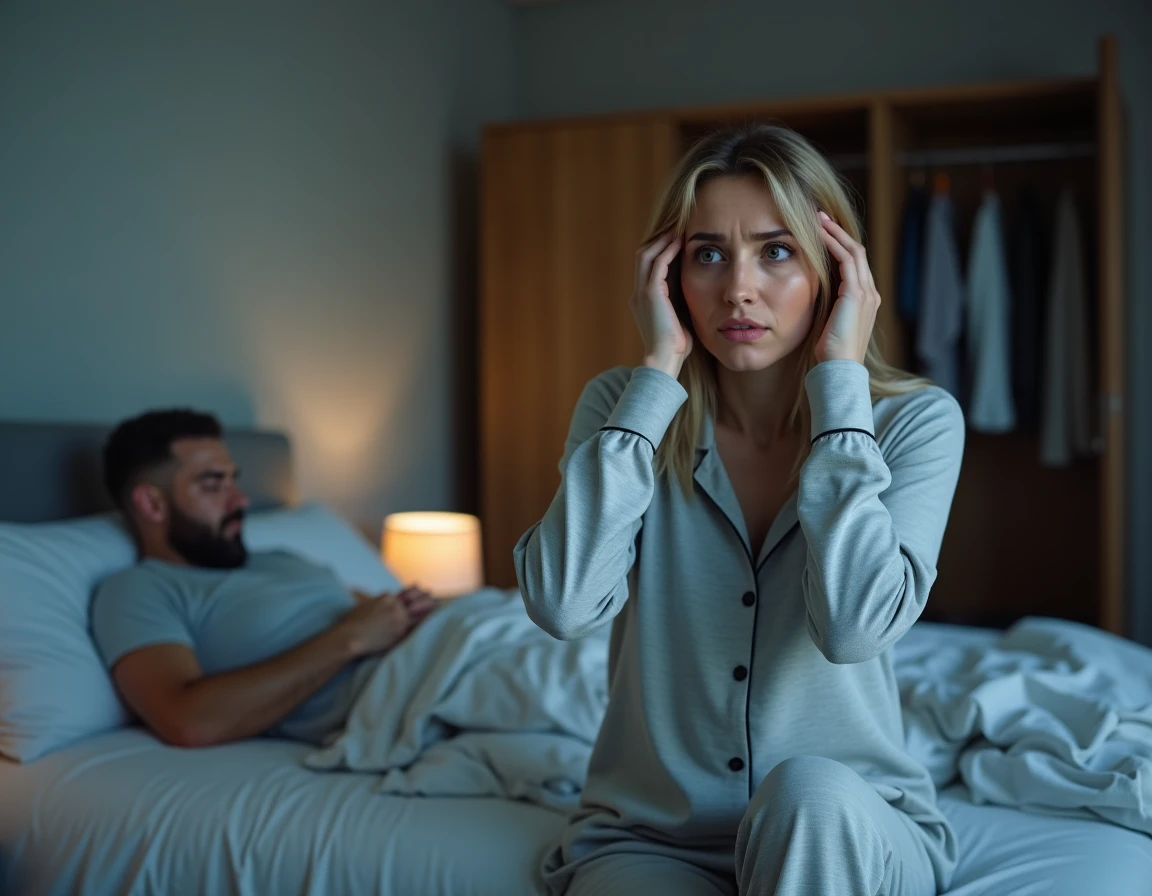
Not all snoring is the same. The distinction between occasional snoring and chronic ronchopathy determines the management and the level of health risk.
| Criteria | Occasional Snoring | Chronic Ronchopathy |
|---|---|---|
| Frequency | Several nights a week | Almost daily |
| Sound Intensity | Perceptible in the same room | Able to be heard from a neighboring room |
| Daytime Sleepiness | Absent or rare | Frequent, sometimes debilitating |
| Breathing Pauses | None | Possible (indicates sleep apnea) |
| Associated Cardiovascular Risk | Not documented | Increased risk of hypertension |
| Recommended Consultation | Not systematic | ENT evaluation or polysomnography |
This table highlights a major gap: chronic ronchopathy is not just prolonged snoring; it is a distinct disorder due to its consequences on nighttime breathing and overall health. The presence of breathing pauses, even brief ones, suggests a sleep apnea syndrome that requires specific diagnosis.
To delve deeper into the subject and better understand the boundaries between benign snoring and pathology, you can read on Toujours Le Bon Choix a detailed summary of the mechanisms involved.
Ronchopathy and Cardiovascular Risk: An Underestimated Signal

Most content on snoring focuses on nighttime comfort or the partner’s discomfort. The cardiovascular angle remains underexplored, even though it changes the perception of the problem.
Recent studies show that regular snoring, even without apnea, is associated with an increased risk of high blood pressure, regardless of body weight and other classic risk factors. This association leads some medical teams to recommend systematic blood pressure monitoring for chronic snorers.
The suspected mechanism relies on the repeated vibrations of the throat tissues. These micro-traumas, night after night, could cause local inflammation of the upper airways and disrupt blood pressure regulation during sleep.
What This Changes in Practice
A regular snorer who shows no daytime sleepiness or perceived breathing pauses is not necessarily out of danger. Regular blood pressure monitoring becomes relevant as soon as snoring is chronic, even in the absence of overweight. This information alters the threshold at which a medical consultation is warranted.
Throat Muscles and Ronchopathy: The Central Mechanical Factor
Snoring results from the vibration of the soft tissues of the pharynx when air passes through partially obstructed airways. During sleep, the throat muscles, soft palate, and uvula relax. In some individuals, this relaxation is sufficient to reduce the caliber of the airways and generate the characteristic noise.
Several factors amplify this phenomenon:
- Sleeping on the back encourages the tongue to fall back towards the throat, worsening partial obstruction and increasing the intensity of snoring
- Excess fatty tissue around the neck compresses the airways, explaining the correlation between overweight and ronchopathy
- Evening consumption of alcohol or sedatives enhances muscle relaxation beyond the usual level, turning mild snoring into marked obstruction
- Certain anatomical features (deviated septum, enlarged tonsils, chronic nasal congestion) structurally reduce airflow
Strengthening Exercises: A Credible Approach
Targeted exercises to strengthen the throat and tongue muscles are gaining visibility as a complementary approach. The principle is to maintain sufficient muscle tone during sleep to limit the collapse of soft tissues. These exercises, sometimes grouped under the term orofacial myotherapy, do not replace medical treatment in cases of apnea but represent an option for mild to moderate ronchopathies.
Snoring Diagnosis: Polysomnography or Home Test
The diagnostic pathway has evolved. Laboratory polysomnography remains the gold standard: it records brain activity, breathing, heart rate, and movements over a full night. However, home sleep tests are developing as a first-line alternative for snorers at risk of sleep apnea.
The ambulatory test primarily measures airflow, oxygen saturation, and body position. It does not capture sleep architecture with the same precision as a laboratory exam, but it is often sufficient to confirm or rule out moderate to severe obstructive apnea.
When Each Exam is Justified
A chronic snorer with daytime sleepiness or reported breathing pauses requires a sleep recording. The home test is suitable as a first filter, especially when access to a sleep lab involves long wait times. If the results are ambiguous, complete polysomnography remains necessary to refine the diagnosis and guide treatment.
Ronchopathy lies at the intersection of a functional disorder and a risk marker. The difference between benign snoring and a pathology that warrants blood pressure monitoring or polysomnography lies in the regularity, intensity, and associated signs. A general practitioner or ENT specialist can ask the first decisive questions during a routine consultation.