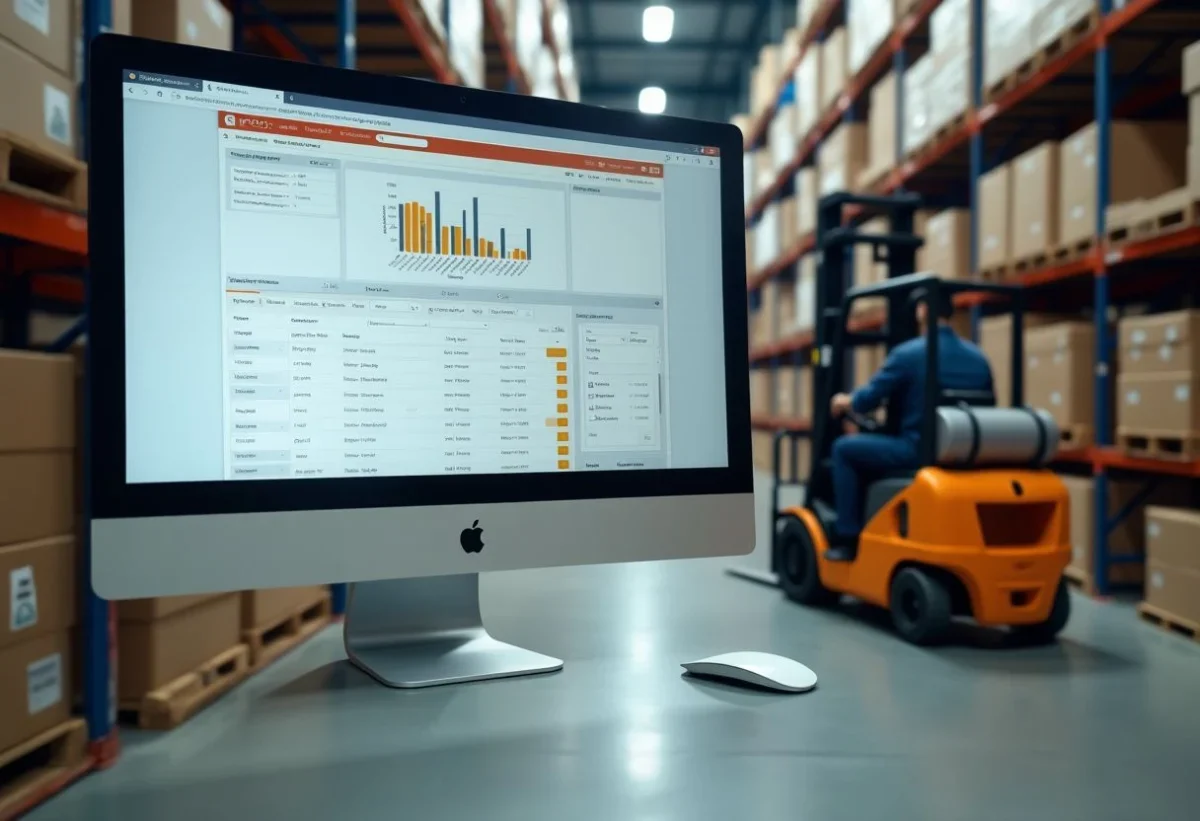
In a world where effective resource management is essential, logistics ERP stands out as an indispensable solution for companies looking to improve their supply chain. With the constant increase in the complexity of logistics operations, the need for integrated systems that allow for smooth and harmonious management has become paramount. ERP systems, or integrated management software, provide an appropriate response to contemporary challenges, enabling the centralization of all processes on a single platform.
The Fundamentals of Logistics ERP
Logistics ERP is at the heart of the digital transformation of companies, integrating various modules that facilitate the management of logistics operations. This system encompasses several key aspects that deserve to be explored in depth.
- Process Integration: One of the main advantages of logistics ERP is its ability to integrate various processes, ranging from inventory management to resource planning. This allows for real-time visibility across all operations.
- Resource Optimization: Through better forecasting and planning, companies can allocate their resources more efficiently, thus reducing waste and improving profitability.
- Improved Collaboration: By centralizing information, ERP facilitates communication and collaboration between different departments, thereby strengthening internal cohesion.
- Cost Reduction: Automation and optimization of processes help to decrease operational costs, thus providing a significant competitive advantage.
Logistics ERP and the Supply Chain
The integration of ERP into the supply chain transforms the way companies manage and respond to market needs. Let’s understand how this transformation takes place.
Traditional supply chain management is often fragmented. The logistics ERP offers a centralized approach, allowing for the harmonization of the different links in the chain. By unifying data from suppliers, warehouses, and customers, it generates an overview that promotes informed decision-making. This panoramic view reduces lead times and optimizes inventory management, ensuring a quick and effective response to demand fluctuations.
Anticipating market fluctuations becomes a breeze with a well-structured ERP system, thus enhancing companies’ ability to maintain their competitiveness.
The Challenges of Implementing a Logistics ERP
Although logistics ERP offers numerous advantages, its implementation can come with significant challenges. Identifying and overcoming these obstacles is crucial for successful adoption.
- Resistance to Change remains a major obstacle. Employees may be reluctant to adopt new technologies, requiring appropriate training and awareness.
- System Complexity: Integrating an ERP requires a deep understanding of existing business processes and adjustments to fit the new system.
- Initial Cost: Deploying an ERP can represent a substantial investment, although the long-term benefits often justify this expense.
- Customization: Adapting the system to the specific needs of the company can prove delicate, requiring sharp technical expertise.
Future Trends in Logistics ERP
The landscape of logistics ERP is constantly evolving, influenced by technological advancements and new market expectations. Let’s observe the trends shaping the future of this sector.
The rise of artificial intelligence and the Internet of Things is transforming logistics ERP into an even smarter and more responsive platform. Systems are becoming capable of predicting trends, optimizing predictive maintenance, and improving energy efficiency.
Furthermore, cloud-based ERP solutions are gaining popularity, offering increased flexibility and accessibility. These innovations promise to continue redefining logistics performance standards, placing companies at the forefront of innovation.