
Lowering the heating bill by changing the windows, only to discover that mold appears on the walls a few months later: this scenario happens more often than we think. Optimizing the energy of a home is not just about stacking technical gestures. It is a precise sequence, where the order of the work matters as much as its quality.
Ventilation and insulation: the couple that guides overlook
Have you ever noticed that the air in a freshly renovated room sometimes feels more humid than before the work? It’s not just an impression. When we strengthen the insulation of a building without touching the ventilation, we block the air infiltrations that previously ensured minimal renewal.
The result: the water vapor produced by cooking, showering, or breathing gets trapped. Humidity accumulates and degrades the walls, the insulation, and the indoor air quality. This disorder is difficult to correct afterward, because sometimes the insulation has to be removed to address the problem at its source.
The right approach is to address ventilation before or at the same time as insulation. A humidity-controlled mechanical ventilation system, for example, adjusts its flow to the actual humidity level of each room. It avoids over-ventilating (and thus wasting heat) while maintaining healthy air. Those who want to optimize their home with maisonfjord fr will find this type of recommendation from the start, which prevents costly mistakes from being corrected afterward.
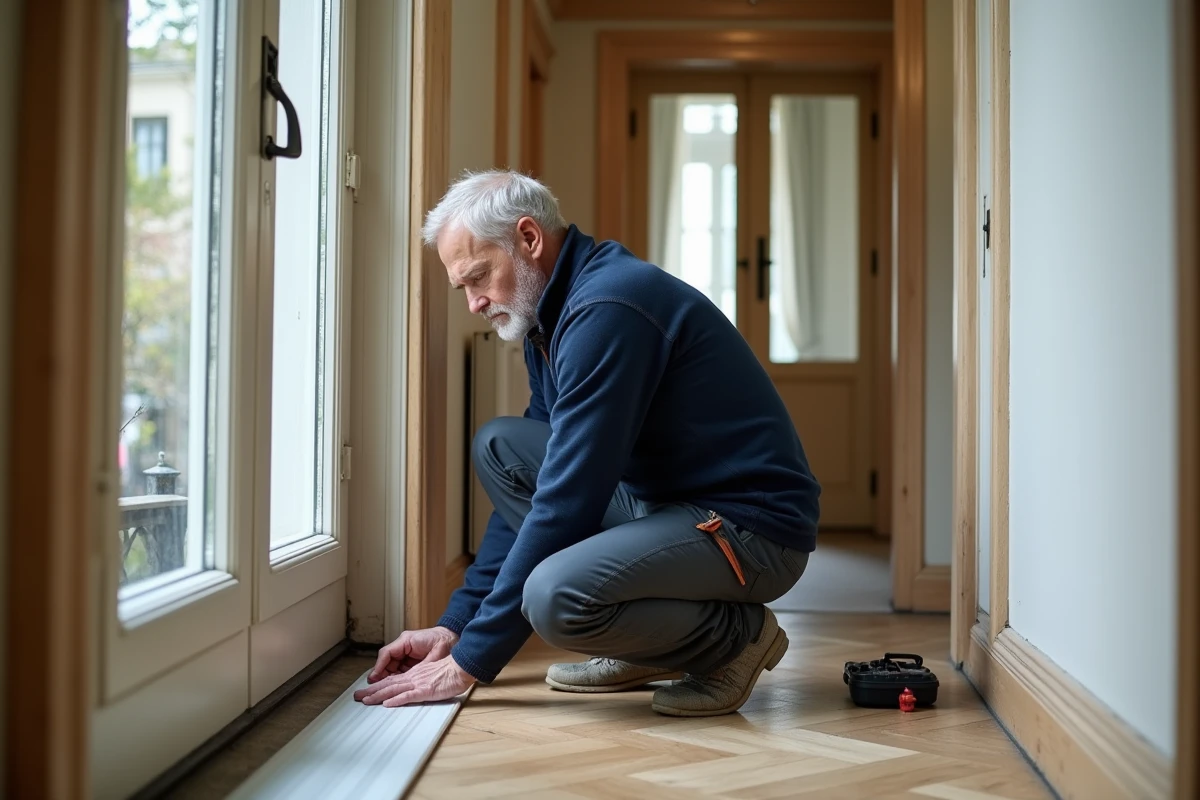
Global energy renovation: why isolated gestures are no longer enough
Changing a boiler without insulating the attic is like heating a building that lets heat escape through the roof. The actual savings on the bill remain low because the new system compensates for thermal losses instead of operating at its optimal efficiency.
Combining insulation, ventilation, and heating in the same project multiplies savings. This is not a slogan: it is the principle of extensive renovation, towards which aid programs have been shifting for several years. Subsidies tend to favor coherent work paths rather than isolated interventions.
The logical order of an effective renovation
In practice, the sequence that produces the best result follows a simple logic:
- Reduce losses first: insulate the attic, the walls, then replace the windows if their thermal performance is insufficient.
- Adapt the ventilation to the new airtightness level of the home, to avoid humidity problems and ensure air quality.
- Size the heating last, based on the actual needs of the building once insulated, which often allows for the installation of less powerful and less expensive equipment.
Reversing this order means oversizing the heating compared to the future needs of the home. A heating system calibrated after insulation costs less to purchase and to operate.
Managing electricity consumption on a daily basis
Once the building envelope is treated, the visible consumption items are residual heating, hot water, and electrical appliances. On this last point, managing usage becomes a significant lever.
Do you leave your internet box, console, or screen on standby at night? The cumulative consumption of devices on standby represents a often underestimated item on the electricity bill. A power strip with a switch cuts the power to several devices with one gesture.
Temperature and radiators: adjustments that change the bill
Lowering the set temperature by one degree significantly reduces heating consumption. Thermostatic valves on each radiator allow for adjustments room by room: the bedroom does not need the same heat as the living room in the evening.
For hot water, a tank set to too high a temperature consumes unnecessarily. Setting the tank temperature between 55 and 60 degrees limits waste while preventing health risks.

Regulatory calendar and energy performance diagnosis (DPE): what changes for landlords
The energy performance diagnosis is no longer just an administrative document. The gradual prohibition of renting the most energy-intensive homes is changing the asset strategy of property owners.
Homes classified as G are already subject to restrictions. Classes F and E will follow in the coming years. For a landlord, waiting until the last moment means having to undertake work in a hurry, with less room to negotiate quotes and organize the site.
- Having an energy audit done allows for precise knowledge of the current class of the home and the work needed to reach the targeted class.
- Anticipating work before the regulatory deadline gives access to a wider range of craftsmen and reasonable project timelines.
- Check the financial aid available at the time of the project, as eligibility conditions change regularly.
A renovated home before the deadline rents more easily and retains its value on the market. The DPE directly influences the sale price or the acceptable rent for an informed tenant.
Beyond the energy class: real thermal comfort
A good DPE does not automatically guarantee perceived comfort. The sensation of a cold wall near a poorly insulated wall persists even if the heating compensates in consumption. Interior or exterior insulation eliminates this effect and reduces the temperature difference between the ambient air and the surfaces.
Thermal comfort also depends on the absence of drafty currents, which brings us back to the question of controlled ventilation. Insulation, ventilation, and regulation form an inseparable trio for a sustainable result.
Planning this work in the right order, taking into account the regulatory calendar and the available aids, remains the most reliable method to sustainably reduce energy bills without unpleasant surprises regarding the building.