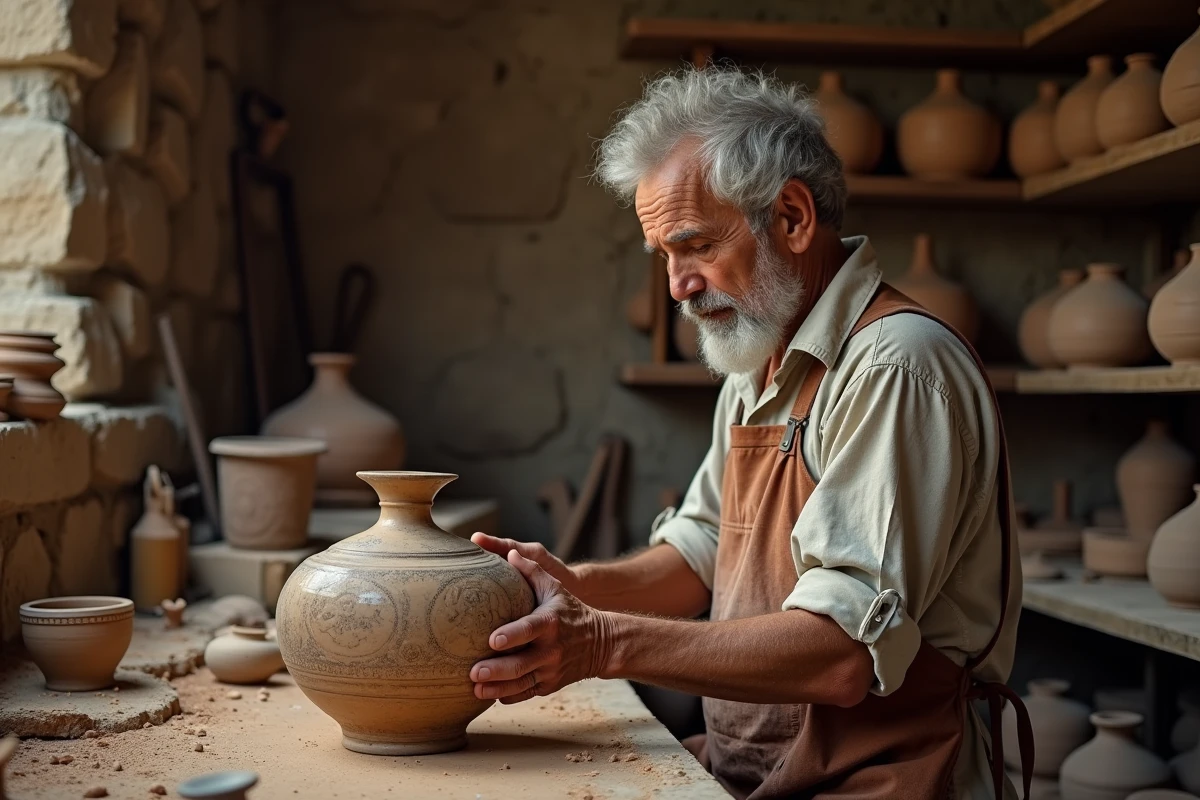
A brand, in the commercial sense, refers to a distinctive sign (name, logo, symbol) used continuously to identify the products or services of a company. Identifying the oldest brand in the world involves deciding between several criteria: date of establishment, continuity of operation, or formal registration of the name. This ambiguity explains why several companies claim this title depending on the angle taken.
Brand, company, manufacture: concepts to distinguish
The confusion between these three terms skews most of the rankings available online. A company founded in the Middle Ages is not automatically an old brand. For a brand to exist, a distinctive sign must have been affixed to a product to differentiate it from the competition.
A manufacture may have existed for centuries without ever marketing under a name recognizable by the public. Conversely, some relatively recent brands are backed by much older industrial structures.
As detailed in the history of an old brand according to Business Solo, this distinction radically changes the answer to the question posed. Recent rankings often mix continuous activity, notoriety, and date of establishment, resulting in contradictory outcomes from one source to another.
Three criteria help clarify the debate:
- The date of creation of the legal entity, which can go back very far without a branded product having existed from the start.
- The continuity of operation, meaning uninterrupted commercial activity under the same name or visual identity.
- The formal registration of the brand, a much later criterion since trademark registration systems only appeared in the 19th century.
Peugeot and Vacheron Constantin: two contenders for the title of oldest brand
Among the names that come up most often, Peugeot and Vacheron Constantin hold a special place. Their trajectories illustrate two very different ways of traversing the centuries.
Peugeot, from metallurgy to automobiles
The history of Peugeot begins long before the automobile. The Peugeot family operated mills and produced steel tools, including saw blades and coffee grinders. The shift to vehicle manufacturing only occurs much later, and the name Peugeot has accompanied this transformation without a break in identity.
What makes the Peugeot case remarkable is the continuity of the name across several industrial sectors. The brand has not simply survived: it has changed its main product while maintaining its commercial identity.
Vacheron Constantin, the continuity of watchmaking
Vacheron Constantin is generally presented as the oldest watch manufacture in continuous operation. Its positioning in luxury and high watchmaking gives it international visibility that reinforces its claim to the title.
The difference with Peugeot lies in the scope. Vacheron Constantin has never changed its sector of activity. The brand has produced watches since its origins, which simplifies the question of continuity but restricts the field of comparison to watchmaking.
Why the title of oldest brand in the world remains contested
The answer depends on the analytical framework. By prioritizing the strict continuity of the name and activity, a watch manufacture like Vacheron Constantin holds a strong position. By broadening the criterion to the brand identity affixed to varied products, Peugeot enters the discussion.
Other companies, less known to the general public, claim greater antiquity. Some breweries, paper mills, or trading houses in Europe and Japan boast earlier founding dates. Their low international notoriety often excludes them from media rankings, but not from historical records.
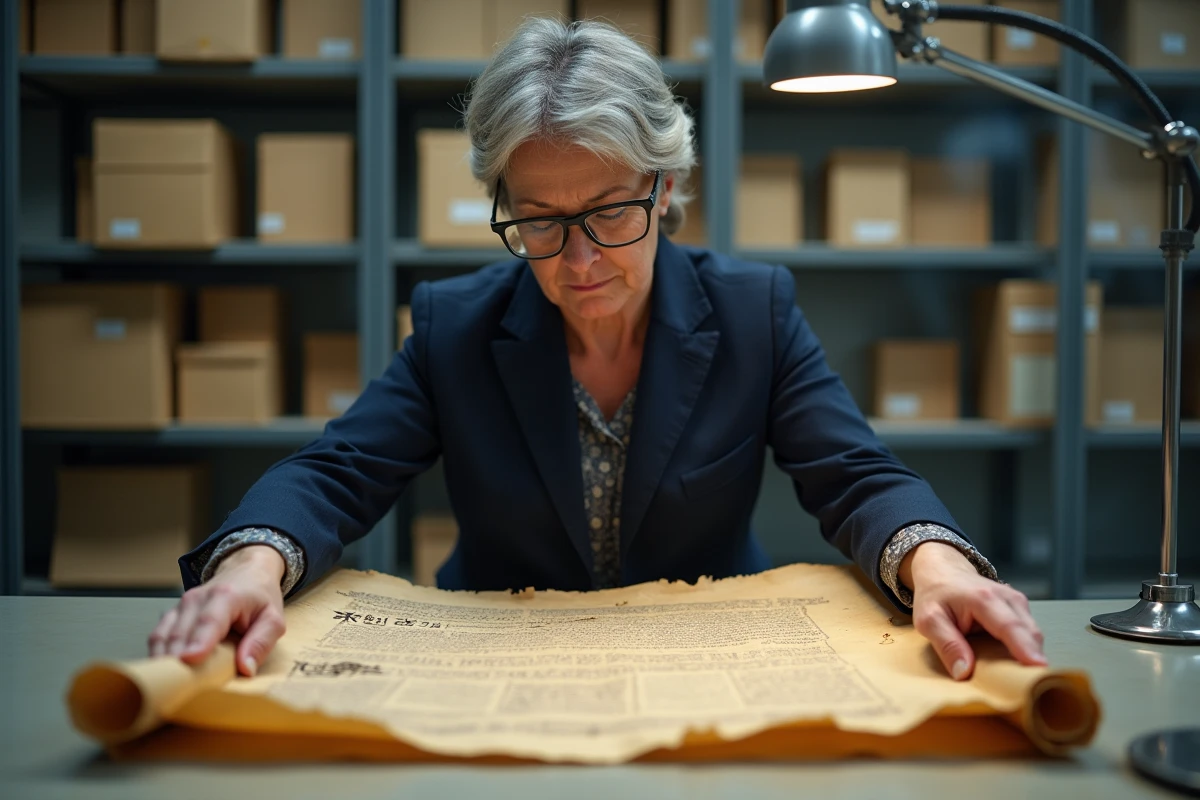
The criterion of active commercial notoriety also changes the game. A company that has existed for several centuries but whose name is only recognized locally does not serve the same function as a brand distributed globally. Recent rankings often favor a logic combining continuity and notoriety, which benefits large European industrial groups.
What the age of a brand reveals about its strategy
Surviving for several centuries as an identifiable brand requires deep adaptations. Companies that succeed in this share some common characteristics:
- A capacity to change products without changing names, like Peugeot moving from tools to automobiles.
- A strong geographical anchoring that guarantees a loyal customer base, even during periods of war or economic crisis.
- A family or institutional transmission that maintains the coherence of the brand image over several generations.
Age also functions as a marketing tool. Displaying an ancient founding date on a product creates a perception of reliability and expertise. In the luxury, watchmaking, or automotive sectors, this historical dimension directly impacts commercial positioning.
The question of the oldest brand in the world therefore does not have a single answer. It depends on the criterion chosen, and each criterion tells a different story of what it means to endure in commerce. The brands that traverse the centuries are not those that remain static, but those that reinvent their offerings while preserving a recognizable thread of identity.